
RFID
Today, the accuracy and efficiency of RFID, coupled with a consistently improving user experience, make it one of the most sought-after data collection hardware components in enterprises worldwide.
Industrial and corporate enterprise units alike can benefit from the seamless data collection abilities that RFID technology lends, to make tracking and tracing information merely an integration into the workday – not a time-consuming, cost-inhibiting interruption. Imagine walking a shipping pallet into a warehouse without touching a single button and knowing such things as what products are represented on it, the order count, and where it arrived from.
The uses for RFID will never be fully defined, as the possibilities for improving specific workflow processes are endless.
Start your RFID Project with The RFID Pros.
Our team of solutions engineers and RFID specialists works closely with top providers of RFID hardware and software to offer premium services and ensure that all customers are up and running quickly and efficiently.

ScanOnline is a part of RMS Omega.
We’re proud to join forces with RMS Omega, a well-known, nationwide leader in RFID hardware, RFID software, and RFID professional installation services – from design to deployment.
As a result of this move, ScanOnline now provides customers with access to the top RFID engineers and solution architects in the country, with a travel footprint that stretches from coast to coast.
In a field where a lack of quality professional services resources is prominent, leverage the RFID industry expertise and world-class skillsets of the fully staffed RMS Omega team and get your RFID project done properly, right from the outset.
RFID Hardware – The Basics
RFID Readers
RFID Handheld Scanners
RFID Gateways
RFID Antennas
RFID Printers
RFID Readers
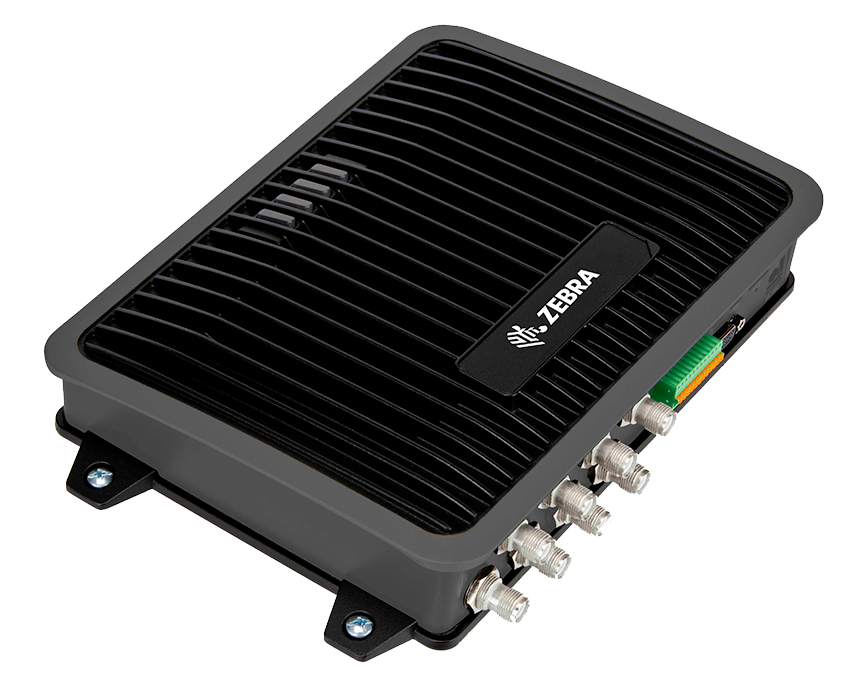
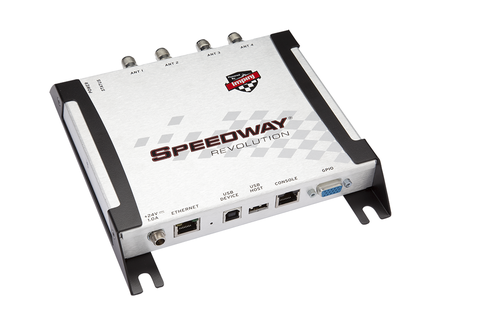
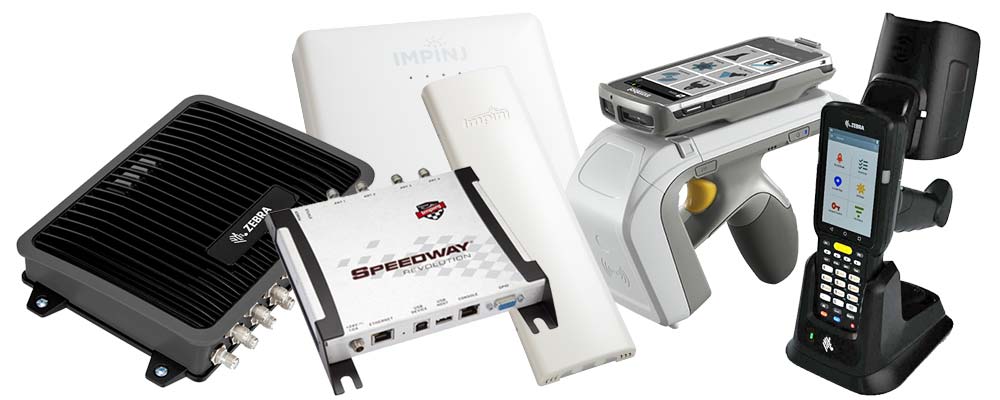
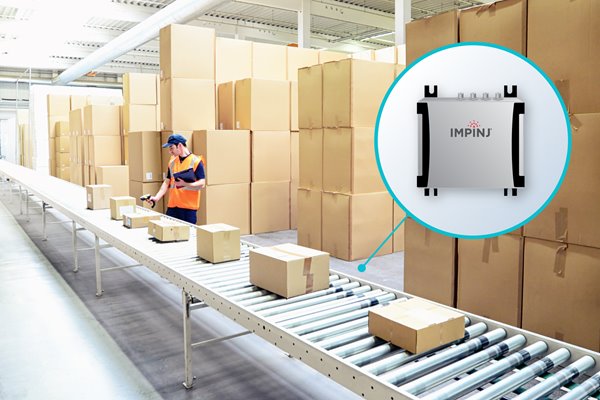 RFID readers come in a wide assortment of form factors. They can be used in various types of building infrastructure and can be mounted on both fixed or mobile peripherals, allowing seamless communication with RFID tags without connectivity issues.
Depending on the type, RFID readers can operate at different frequencies, offering varying ranges and capabilities for data retrieval. RFID Readers are commonly used in inventory management, access control, and asset tracking systems, but with the right partner, use cases are extensive.
RFID Handheld Scanners
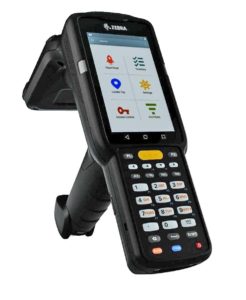
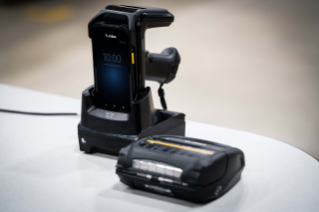 RFID handheld scanners offer the most portable choice for RFID track and trace solutions, blending robust data collection performance and business system accessibility with the durability of a rugged mobile device that enables point-of-work RFID verification with a single scan.
Commonly used for quick recall of business-critical applications for on-the-go workforces, RFID handheld scanners are for companies that want everything – dashboards, analytics, and centralized job management – in the palm of a team member’s hand.
RFID Gateways
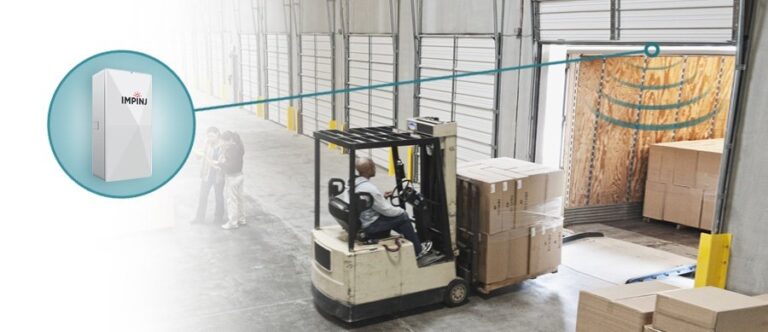
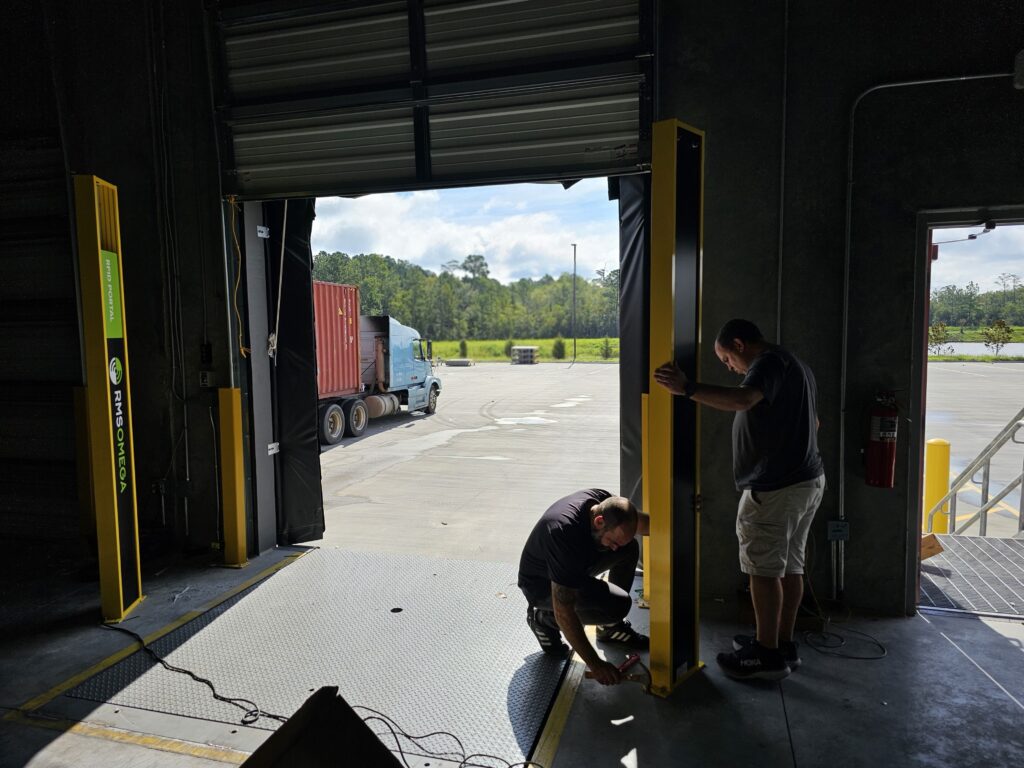 RFID gateways, often called RFID portals, are becoming one of the most popular tools for warehouses, distribution centers, manufacturing plants, and other traditional industrial facilities in their quest to integrate RFID within their operations and workflows at-large.
RFID gateways, especially near shipping docks, offer an efficient method for monitoring and tracking the movements of tagged items as they pass through specific entry or exit points. RFID gateways, like other RFID hardware, integrate with other systems without issue and improve asset, inventory, and personnel visibility.
RFID Antennas
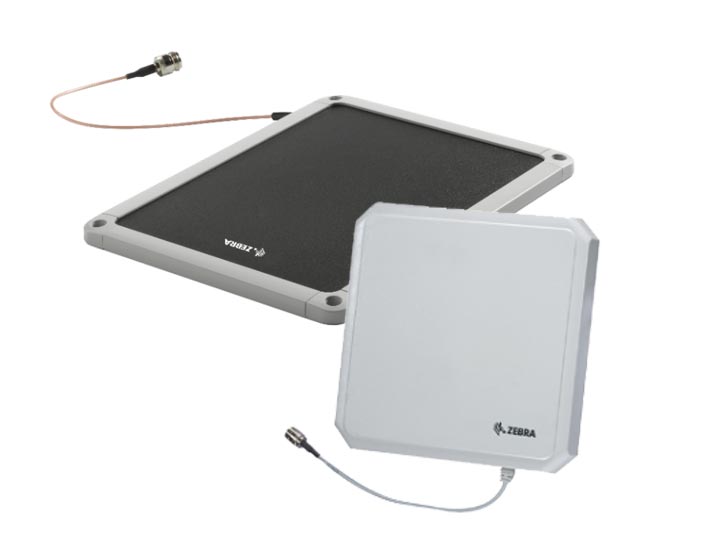 RFID antennas, simply put, are the lifeblood of RFID readers, in both fixed and mobile setups. RFID antennas take signals from RFID readers and transmit them as RF waves to RFID tags.
RFID antennas come in various designs and sizes to best optimize range, coverage, and performance for specific applications like inventory tracking or access control. RFID antennas, when properly installed, overrule challenges created by physical infrastructure limitations, interference from other technologies, or unexpected factors that come into play during deployment.
RFID Printers
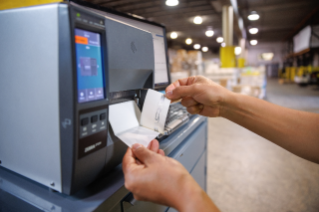 RFID printers, unlike traditional models, are specialized to design and print consumables with embedded RFID chips.
The data stored on the finished product aids the workforce in tracking, tracing, and reporting behind what is tagged. RFID printing is used frequently in warehouse, retail, and healthcare organizations that often stress a need for inventory control, personnel data, and supply chain efficiency.
RFID Readers
Impinj Speedway RAIN RFID Series – Fixed RFID Tag Readers
- R220
- R420
- R700
- R720
Zebra Fixed RFID Tag Reader Series
- FXR90 Ultra-Rugged Reader
- FX9600
- FX9500
- FX7500
- ST5500 Transition Reader
Zebra RFID Handheld Scanners
- DS900 1D/2D Hybrid Scanner Series
- MC3190-Z RFID Reader
- MC3330R Integrated UHF RFID Handheld Reader
- MC3390R Integrated Long-Range UHF RFID Reader
- MC9190-Z RFID Reader
- RFD2000
- RFD40 UHF RFID Sleds
- RFD5500 RFID Reader
- RFD8500 RFID/1D/2D Sled
- RFD8500i UHF RFID Reader Sled
- RFD9090 Ultra-Rugged UHF RFID Sled
- WS50 Android Wearable Computer
RFID Antennas/Gateways
- XARRAY
- XSPAN
Impinj Antenna Series
- Compact Outdoor Antenna
- Slim Outdoor Antenna
- Far-Field Antenna
- Mini-Guardrail Antenna
- Matchbox
- Brickyard
- Threshold
- Guardwall
Zebra Antenna Series
- AN440
- AN480
- AN610
- AN620
- AN710
- AN720
RFID Chips, RFID Labels & RFID Tags
ScanOnline and RMS Omega have a wide variety of RFID tag and sensor options to fit your specific workflow need. In order to provide you with the right RFID label or chip set to comply with the standards you need to meet, contact us to determine what’s best for you.